¿Porqué algunas marcas "molan" tanto como para ser dignas de lucirse en una camiseta mientras otras sólo aparecerían vía merchandising en una camiseta que además estaría destinada a ser "camiseta de pijama"?

Esta pregunta se ha planteado en muchas ocasiones en el mundo del Diseño. Un logo bien diseñado es esencial para que la marca pueda conseguir que una estrategia de distribución pull funcione. Pero la estética no es la parte más importante.
El marketing*, aunque cada vez más la conducta de la compañía, es lo que define los valores y la actitud que el público relaciona con cada marca. Y esos valores y esa actitud es lo que da vida a la marca. El final de la ecuación es que una marca necesita vida si quiere relacionarse con la gente. Nadie ama a un genérico, por eso a todos nos gusta sentirnos "especiales".
Es esta actitud lo que hace que algunas marcas se quieran vestir, porque tienen una actitud en la que su público quiere verse reflejado, unos valores similares o una imagen que quiere ser alcanzada. En muy pocas ocasiones sucede todo lo contrario. Pero muy a menudo simplemente no pasa nada, la marca no nos dice nada.
Viendo dos ejemplos del mundo de los productos de consumo, podemos encontrar las dos "caras de la moneda": Chupa Chups y Fiesta.
Fiesta es un productor español de golosinas. Sus productos son de buena calidad. Y ya está. No pasa nada más.


Chupa Chups, en cambio, intenta ser una marca "love" y para parte de su público lo es. Su logo (diseñado -en parte- por el mismísimo Salvador Dalí) aparece muy a menudo en objetos muy dispares a todo lo relacionado con los caramelos con palo. La marca es tan conocida, que decir "caramelo con palo" en España nos suena a broma.
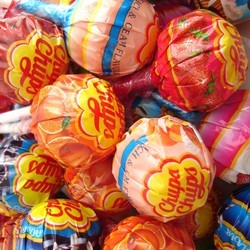


Aunque el concepto "escuchar al consumidor" suene a marketing moderno, este ha sido el gran acierto que ha llevado a la firma catalana a ser lo que es hoy. Su producto estrella nació así (la gente necesitaba sacarse los caramelos de la boca sin pringarse). Y como esa escucha les funcionó tan bien, los responsables de la empresa se acostumbraron a seguir haciéndolo. Por eso saben lo tienen que decir, dónde tienen que estar y cómo deben comportarse para "molar tanto".
Y así es, Chupa Chups "mola tanto" que la gente compra camisetas con su logo.
 |
En Chupa Chups están tan seguros de sí mismos, que se permiten hacer un anuncio en el que dice que "sería el fin del mundo" sin ellos.
|
*Entiéndase Marketing con todo lo que comprende. No sólo la publicidad, sino también toda la comunicación interna, así como las estrategias de precio, distribución y RR.PP., y las decisiones sobre el producto.
